1: Depth offset
Proabably the most important thing to check is that your depth offset is correct and that the crew know what it means, either depth below the keel or depth of water – so that the depth value can be relied upon, particualry useful when short-tacking past Ryde Sands.
2: Speed transducer
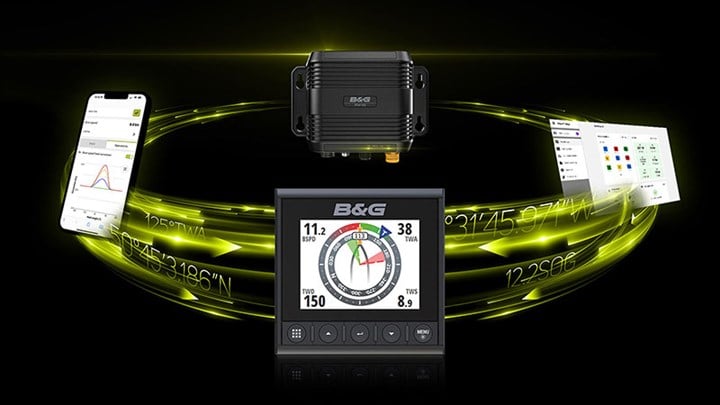
Make sure that the transducer is clean before the race – in the hot weather these can foul up quickly, Remove it and clean out any sea creatures that have taken up residence. Once that’s done, it’s worth calibrating it to make sure the readings are as accurate as possible. A well calibrated speed transducer is vital, not only for monitoring your performance, but also to ensure that any calculated wind and tide data is also accurate. Our Triton Edge and Hercules sailing processors simplify this process with a range of autocalibration routines: LEARN MORE
3: Put in your route ahead of time
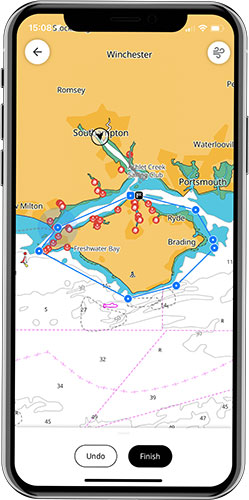
Nothing worse than frantically trying to put a route in the chartplotter as you head out for the start, so it’s worth making sure the route and relevant waypoints are saved in your chartplotter ahead of time. You can do this manually on the chartplotter, using the B&G app at home, then syncing when on board, or by importing a gpx file via the SD card slot on the chartplotter. Read more about using the app here: https://www.bandg.com/en-gb/blog/racing/round-the-island-race-series/planning-your-race-with-the-bg-app/
4: Put in the startline
What happens at the start can make or break your race, so it’s worth making sure you make full use of all the starting aids that your B&G chartplotter can provide: If you ping the startline you can see time, distance and favoured end data on your display. Read more:
Vulcan and Zeus3 users: LEARN MORE
ZeusS and ZeusSR users: LEARN MORE
5: Tide data
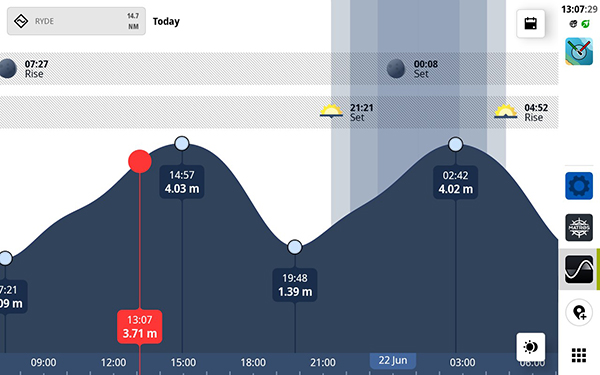
Tides have a huge effect on the Round the Island race, so it’s best to get planning now. In addition to marking up your tide book, try these tips to view tidal heights and currents on your chartplotter: LEARN MORE
Have a great race – and we’ll see you on the startline!